
Annonce
How to get a dental prosthesis you can forget about in everyday life
This article’s content is sponsored by irenetand.dk
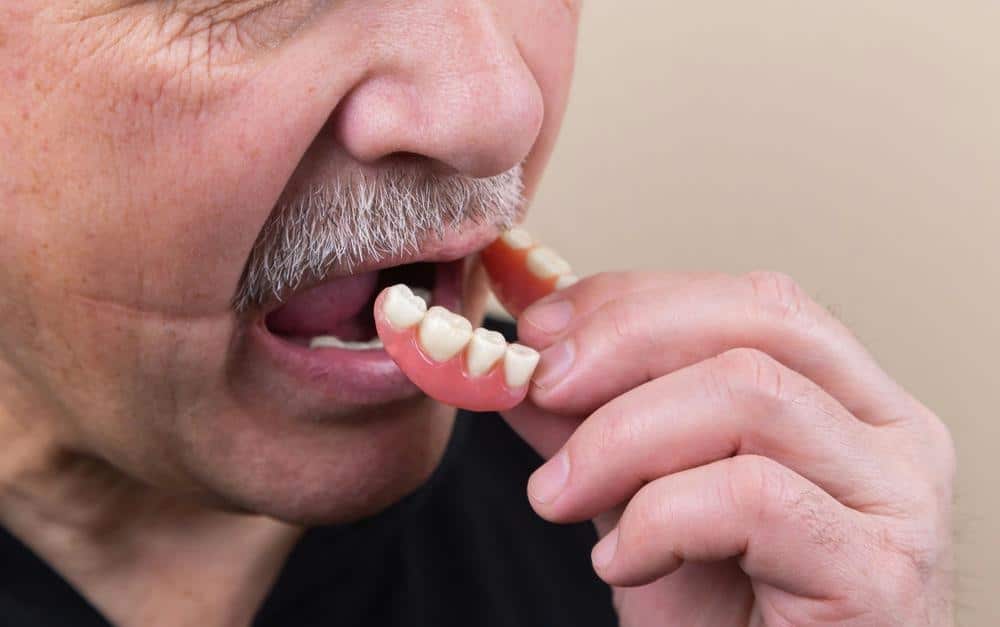
Needing a dental prosthesis is rarely something you decide from one day to the next. For most people, it’s not just about being able to chew properly again, but also about confidence—daring to smile in a family photo and being able to speak without thinking about it. That’s exactly why it matters so much who does the work. A prosthesis made with precision and fitted in close dialogue with you becomes a natural part of everyday life. A prosthesis that doesn’t fit properly becomes a daily irritation. At Irene Westergaard’s clinic on Vestre Alle in Aalborg, the starting point is 30 years of experience in clinical dental technology combined with an approach where there’s always room for both a good laugh and a serious conversation.
Experience and in-house laboratory
All products are made using the latest modern technology in the clinic’s own professional laboratory, led by Changiz Behnia with 17 years of experience. That’s an important detail, because it means the work isn’t sent on to an anonymous subcontractor. Corrections, adjustments and fine-tuning happen in the same place where the impressions are taken, making the path from idea to finished prosthesis both shorter and more precise. You get a dental technician in Aalborg with a focus on service, and you’re supported all the way through the process instead of being passed around between different people.Solutions tailored to your mouth
No two mouths are the same, and that’s why there isn’t one prosthesis that fits everyone. The choice depends on how many teeth you’re missing, what your jaw looks like, and what you want aesthetically. The typical solutions are:- Full denture, when all teeth in the upper or lower jaw need to be replaced
- Partial denture with a cast metal framework, also called Unitor, which clips onto the teeth you have left and provides a very natural-looking result
- Hybrid denture or press-stud denture, held in place by a snap-button system mounted on your own tooth roots or on implants
